AuthorDaniel Gonzalez
First Vice President & Associate DirectorTampa, FL

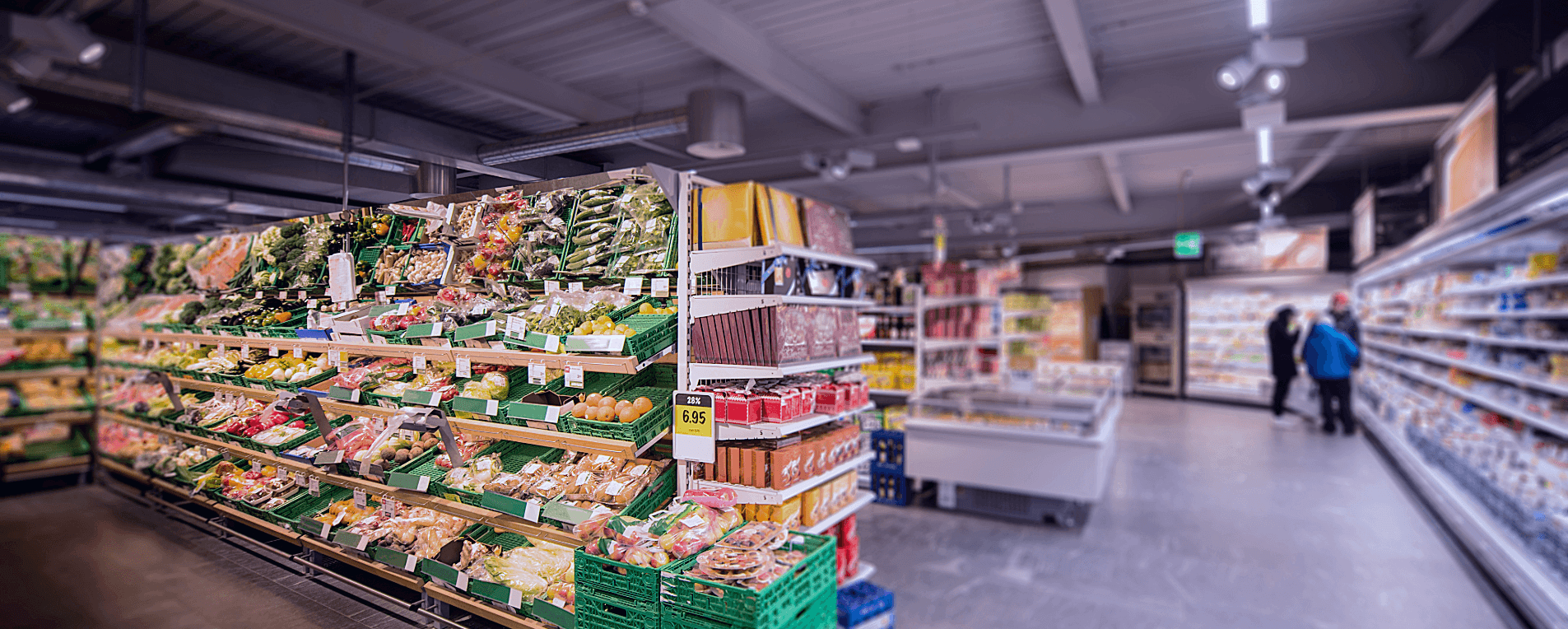
Amazon is changing its brick-and-mortar strategy, moving away from its experimental Fresh and Go brands to prioritize the top-performing Whole Foods Market. By closing dozens of Amazon Fresh and Amazon Go locations, the tech giant is enhancing its physical retail presence by converting those existing spaces directly into Whole Foods stores. This transition signals a move away from tech-driven convenience stores in favor of a brand that carries premium equity and customer loyalty.
The new shift isn’t just a consolidation, but also an aggressive expansion. Amazon plans to launch over 100 new Whole Foods locations in the coming years, signaling a massive investment in the high-end grocery sector. Alongside these traditional stores, Amazon is investing in digital convenience by broadening its same-day delivery network. This ensures that the Whole Foods inventory is more accessible to online shoppers than before.
The expansion of Whole Foods under Amazon is defined by its strategic methods to focus on localized accessibility and technological integration. Amazon has begun making changes to how these stores operate behind the scenes. Many new and existing Whole Foods stores are being equipped with automated micro-fulfillment centers that allow Amazon to use the site as a local delivery hub. By using robots to pick and pack non-perishable Amazon items, together with Whole Foods produce, the company is creating a hybrid shopping experience.
Amazon also utilizes its data analytics to identify areas with high demand for organic products but limited access. This data-driven approach enables the company to expand into previously overlooked suburban and mid-sized locations. By combining the Whole Foods brand with Amazon’s logistical presence, the grocer is transforming into a national powerhouse.
One of the most significant changes in Whole Foods’ presence is the rise of the Daily Shop. These locations are more compact, ranging between 7,000 and 14,000 square feet. By boasting a smaller footprint, Amazon is able to increase its presence in high-density metros like New York. While Daily Shop locations maintain Whole Foods’ quality standards, the layout prioritizes urban commuters.
These stores focus on creating a convenient shopping experience by utilizing the Amazon One payment method, which is a palm-recognition payment system that allows for a quicker checkout. Additionally, Daily Shop offers pre-packaged, high-quality proteins and grab-and-go meals to ensure they meet the goal of being a quick stop store.
By the end of 2026, Amazon plans on operating 10 of these locations, which will allow for its nationwide rollout.