
AuthorAndrew Wiesemann
First Vice President & Associate DirectorDallas, TX

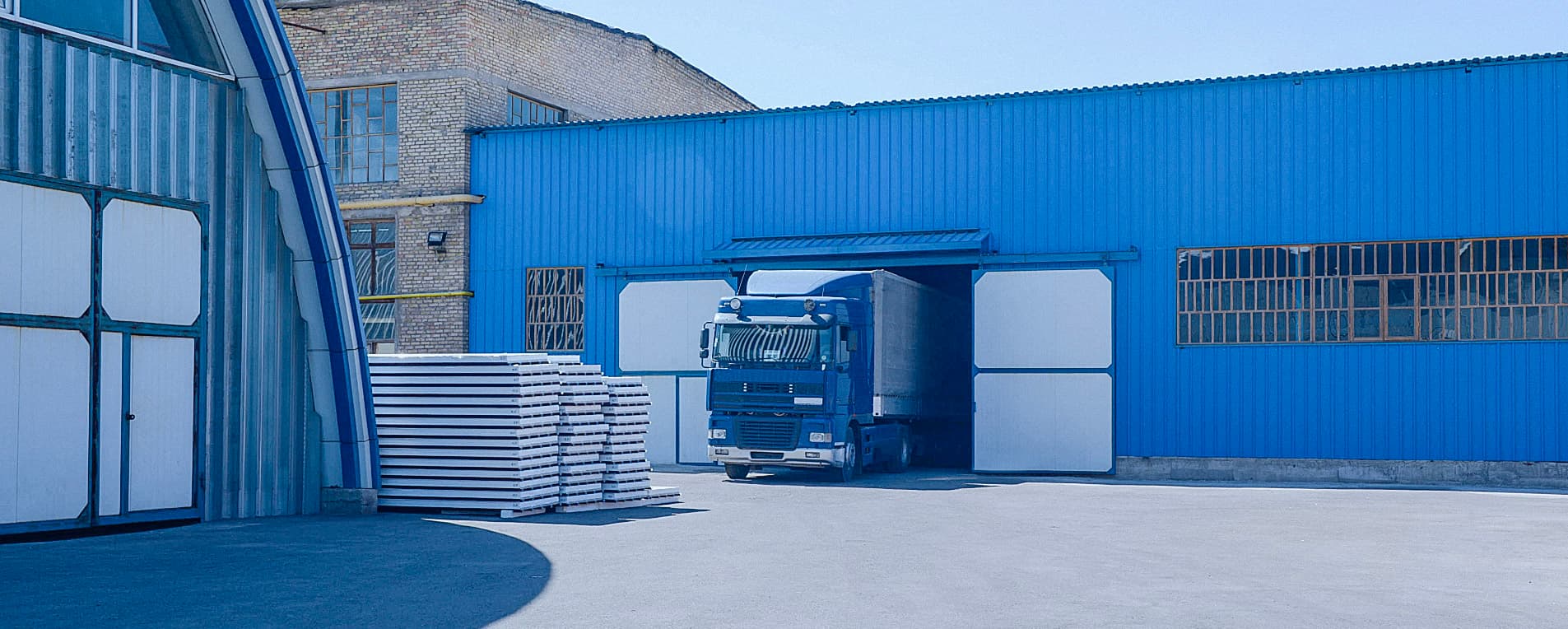
Industrial activity across the DFW market is undergoing a rebalancing period. While overall market metrics show a slowdown from the record-breaking pace of recent years, the market is still noting positive fundamentals. For example, absorption has remained positive, with around 22 million square feet absorbed throughout the past 12 months.
One factor contributing to DFW’s top activity is the industrial outdoor storage (IOS) segment. These facilities feature a low building-to-land ratio, and are convenient as they are designed for the storage of equipment and vehicles. IOS properties are essential as they aid logistics by serving as truck terminals, and providing parking for delivery fleets. Demand for IOS is on the rise, driven by the growth of e-commerce and the onshoring of manufacturing, which both require strong infrastructure for supply chain management.
The IOS asset class was valued at $200 billion as of 2024, attracting a diverse range of buyers from private individuals to institutional capital. Major players like Alterra IOS are actively acquiring portfolios in the DFW metro drawn by the low initial capital investment and potential for strong returns.
To start off 2025, Alterra acquired four IOS properties across DFW. The price was not disclosed, but each facility is within 20 miles of Downtown Dallas and includes convenient transportation near the metro’s highways.
Most recently, Matador Realty Investments announced an acquisition in Dallas for a 15,100-square-foot property. The facility includes seven roll-up doors and 14 to 20 foot heights, making it suitable for IOS functions.
While IOS maintains its strong demand levels, the segment does have limited supply. The supply of well-located IOS sites is constrained by strict zoning regulations, which can make it difficult to get new projects approved. These high barriers to entry create a scarcity that makes existing, well-located sites a consistently valuable commodity.
However, IOS properties will continue noting high demand as they serve a stable and diverse tenant base of businesses, including logistics companies. Unlike the large-format industrial market, which has seen its negotiating power shift to tenants, IOS remains a landlord’s market.
Its demand is insulated from macroeconomic volatility because it is tied to DFW’s resilient local economy and population growth. This stability makes these properties some of the most consistent and reliable assets in the entire market.
As the market continues to evolve, IOS is set to remain stable because of its specialized abilities. The strength of IOS and service facilities proves that the correct location with the right functionality can thrive regardless of broader market fluctuations.