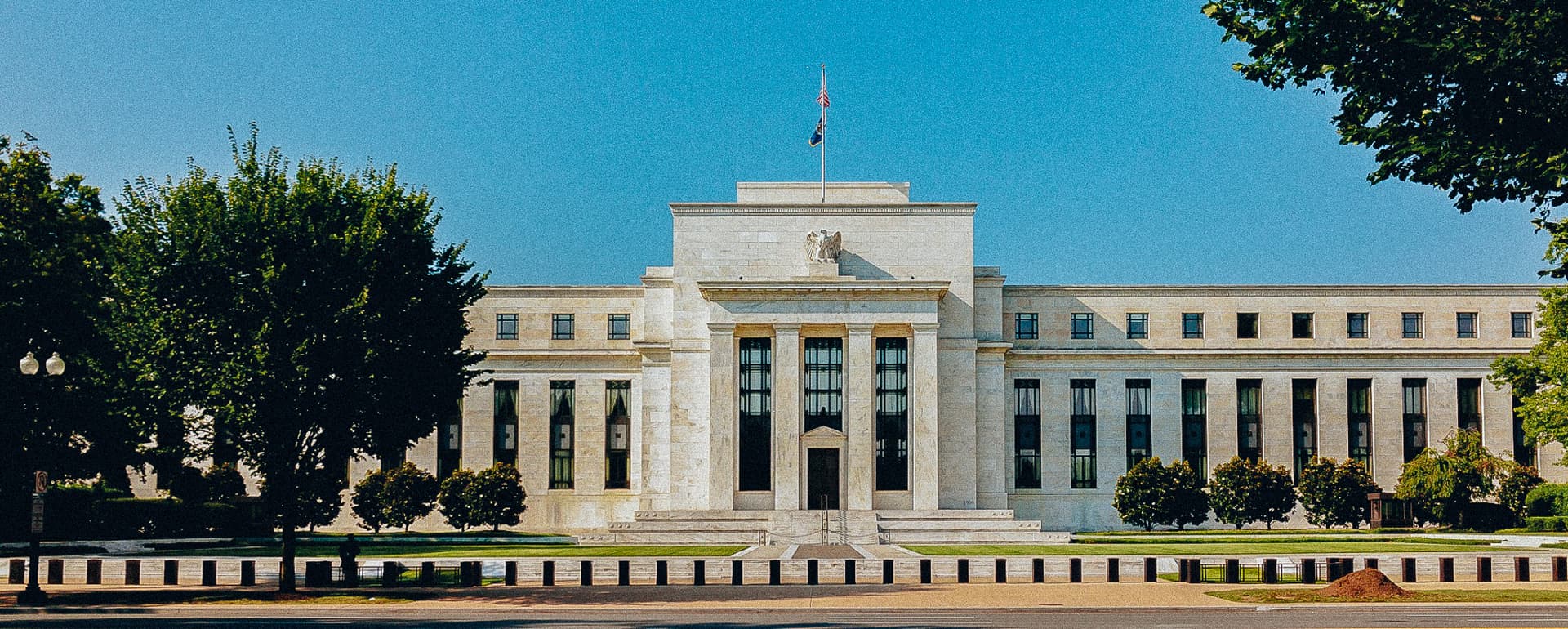
On October 29, 2025, the Federal Reserve cut interest rates by a quarter point, lowering the federal funds rate to a range of 3.75% to 4.00%, the lowest level since late 2022. The move reflects the Fed’s growing confidence that inflation is easing while it works to keep policy close to a “neutral” level that neither slows nor overstimulates the economy.
Chair Jerome Powell described the decision as an effort to maintain balance but acknowledged that uncertainty still clouds the outlook. The policy committee was divided, with one official favoring a larger half-point cut and another preferring no change at all. Powell said another rate cut in December is not guaranteed, particularly as the ongoing government shutdown limits access to key economic data.
Powell emphasized that the Fed faces “no risk-free path.” Cutting rates too quickly could allow inflation, which remains near 3%, to stay above the 2% target. Moving too cautiously could lead to higher unemployment and slower growth.
Key Takeaways from the Fed’s Decision
Beyond the rate cut itself, the Fed’s announcement signals a clear shift in tone. The Fed confirmed that it will end its balance sheet reduction program, known as quantitative tightening, on December 1. This decision stops the gradual pullback of liquidity from the financial system and indicates a more neutral stance than many investors expected.
This was also the second consecutive 25-basis-point cut, confirming that the Fed has entered an easing cycle. Policymakers cited ongoing risks to the labor market as a key reason for staying proactive, even as inflation continues to abate.
How the Rate Cut Impacts CRE
For commercial real estate, the latest rate cut offers cautious optimism. Lower borrowing costs can help ease financing pressure, improve deal flow, and make refinancing more manageable. Investors may find it easier to pursue acquisitions or recapitalize assets, particularly in sectors with steady income streams like retail net lease, industrial, and convenience.
Still, lenders remain selective, and buyers and sellers may take time to realign expectations. Inflation, though easing, continues to influence underwriting and pricing models.
Overall, the Fed’s decision marks an important turning point after nearly two years of tightening. As rates move lower and liquidity stabilizes with the end of quantitative tightening, the environment may slowly become more favorable for commercial real estate. The Fed’s decision to wrap up quantitative tightening by December could be a game-changer for 2026. QT tends to push long-term rates higher, so ending it removes a big source of upward pressure. That shift might matter more to investors than the short-term relief from lower policy rates. The change will not happen overnight, but it signals that the market’s next phase could bring a period of measured recovery.