
Mobile Home Parks in 2026: Resilience, Scrutiny, and Strategy
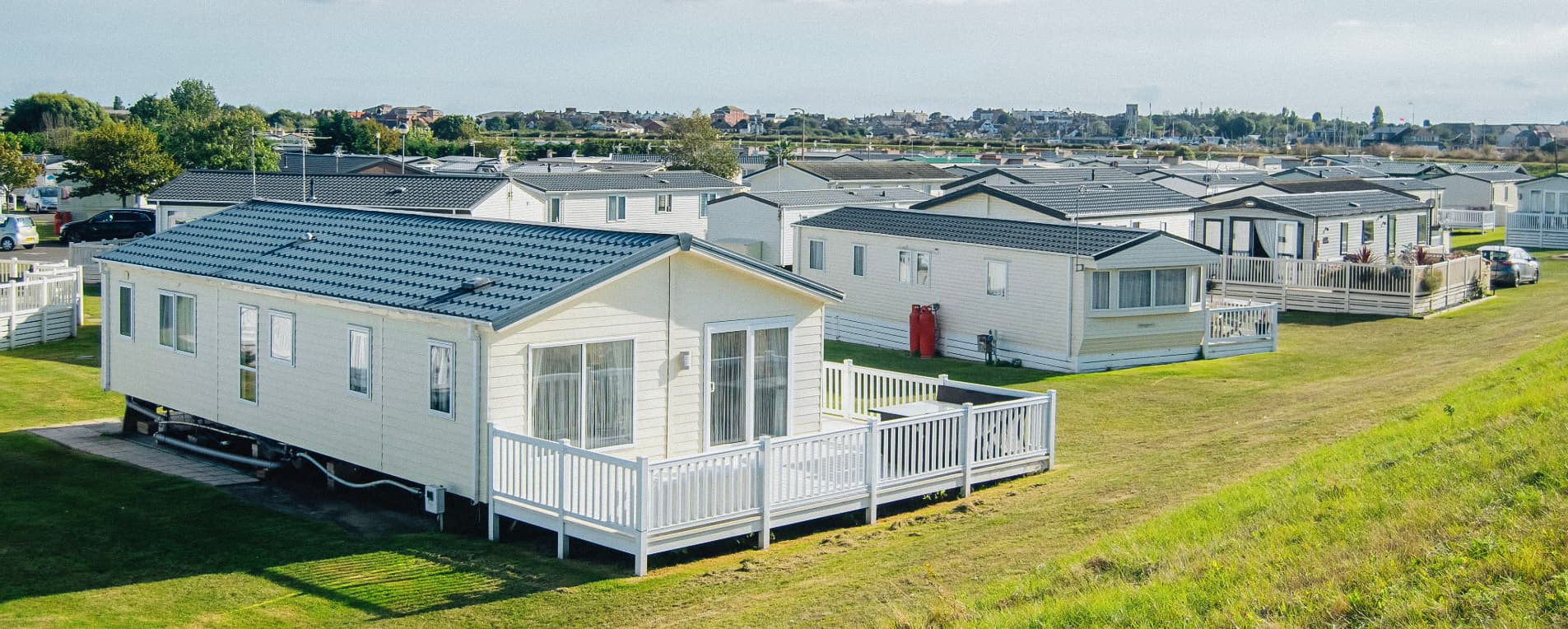
For mobile home park owners and investors, access to accurate, market-specific data is now a competitive advantage. As affordability pressures reshape demand and institutional capital expands its footprint, informed decisions increasingly depend on understanding pricing, rent growth, expense trends, and buyer behavior at the submarket level.
Over the past decade, manufactured housing has transitioned from an overlooked niche into one of the most resilient asset classes in commercial real estate. Supported by durable demand and limited new supply, mobile home parks have emerged as a core solution within the broader affordable housing landscape.
Entering 2026, fundamentals remain strong. Premium communities are trading at cap rates in the 4%–5% range, while stabilized assets typically transact between 5% and 7%. Occupancy has climbed from approximately 86.5% ten years ago to nearly 94% nationally, reinforcing the sector’s structural demand and long-term relevance.
Florida continues to lead the market, as lot rent growth across the state has averaged 5.5%–11% annually, supported by population inflows and housing affordability constraints. In 2025, the Tampa market alone recorded population growth of approximately 1.9%. With median home prices exceeding $400,000 in many major metros, demand for attainable housing remains firmly in place.
At the same time, regulatory scrutiny is increasing. Recent displacement events following mobile home park sales, such as those in Cary, North Carolina, have highlighted vulnerabilities within the land-lease model and accelerated policy attention. As lawmakers respond, owners should anticipate expanded tenant protections, right-of-first-refusal proposals, and renewed discussions around rent regulation.
In this environment, proactive operators will be better positioned than reactive ones. Transparent communication, measured rent growth, and sustained community investment are becoming differentiators as oversight intensifies.
From a transactional standpoint, conditions remain favorable for sellers, though the window may be narrowing. Institutional and private equity capital continues to support competitive pricing, with recent transactions indicating that well-marketed assets can achieve pricing 8%–15% above initial expectations. Improving financing conditions and expectations of future rate cuts are further expanding the buyer pool.
For many owners, current pricing presents an opportunity to evaluate an exit or pursue a 1031 exchange into more passive strategies. The question isn’t whether or not to sell; it’s whether assets are positioned to capture peak value.
Looking ahead, three forces are likely to shape the sector in 2026: ongoing institutional consolidation, rising infrastructure and capital expenditure requirements, and widening gaps between market rents and in-place rents at legacy-owned communities. How owners navigate these dynamics will define both risk and opportunity in the year ahead.