
AuthorSimon Assaf
Senior Vice President & DirectorPhoenix, AZ

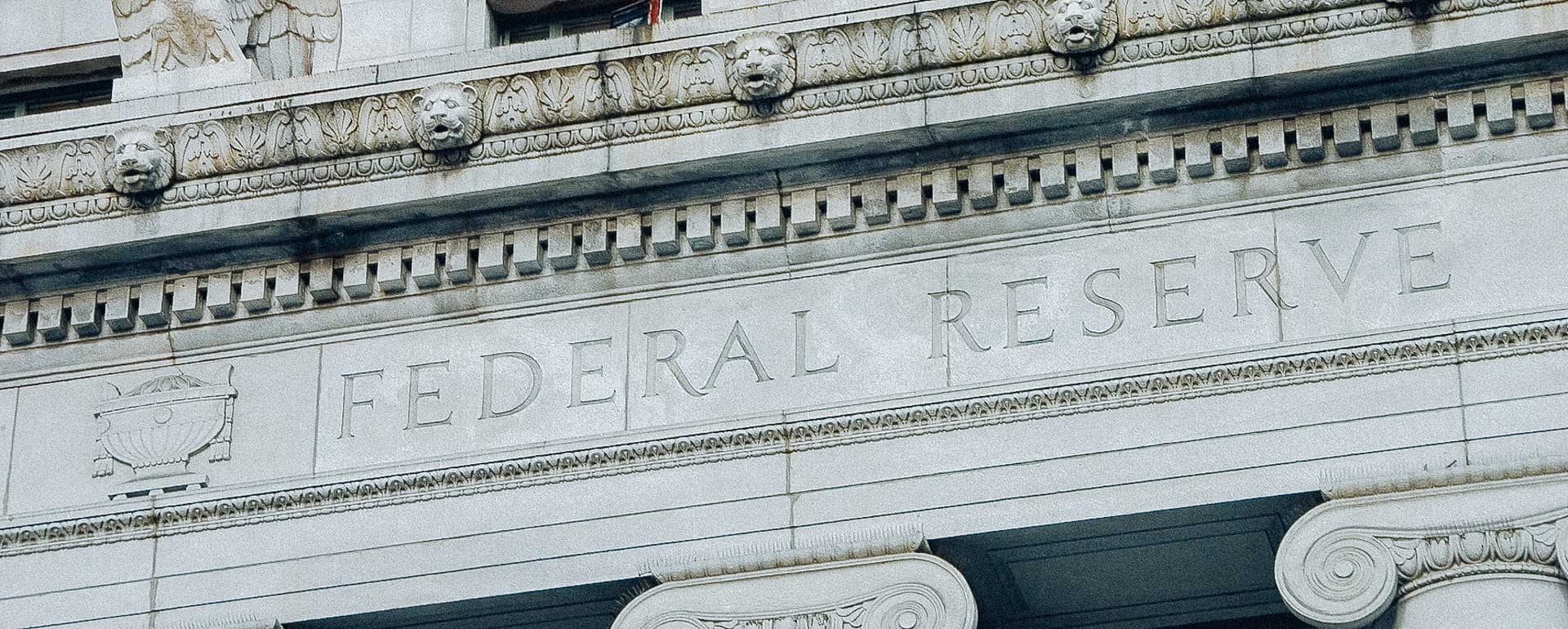
In a meeting today, September 17th, 2025, the Federal Reserve lowered its benchmark federal funds target range by a quarter point to 4.00%–4.25%, in line with market expectations. Chair Jerome Powell emphasized the Fed’s growing focus on labor market risks as inflation pressures, while persistent, appear less threatening.
Bonds reacted poorly post-announcement, as markets had already priced in the 25-basis-point rate cut. Still, the move marked the start of a monetary easing cycle, one that Powell said was primarily a response to the “shift in the balance of risks,” with the slowdown in the labor market being the chief concern. He highlighted that recent data showing slowing job gains and an uptick in unemployment constituted a growing downside risk that warranted a preemptive adjustment to sustain the expansion.
Powell acknowledged the challenge of cutting rates while inflation remains “somewhat elevated” and above the 2% target. He characterized the inflationary pressures from tariffs as a “one-time shift” in prices the Fed could look through, while arguing that the risk of a significant rise in unemployment was the more immediate threat to the dual mandate.
The Fed’s latest economic projections reflect this delicate balancing act:
Real GDP: revised up across the board.
Unemployment rate: unchanged in 2025, lower for 2026–27.
Inflation: higher in 2026, unchanged in other years.
Policy rate: 75 bps of cuts expected in 2025.
Updated projections also show most officials expect two additional quarter-point cuts this year, which would bring rates down to 3.50%–3.75% by year-end. The decision was approved by an 11-to-1 vote, with new Governor Stephen Miran dissenting in favor of a deeper half-point cut.
Powell avoided committing to a specific path, stressing instead that the Fed would remain data-dependent, carefully assessing incoming information before each meeting. This tempered some market expectations for a rapid and aggressive easing cycle.
While the 25-basis-point reduction itself may seem modest, the signal it sends could have an outsized impact, particularly in commercial real estate. Lower borrowing costs are expected to improve liquidity in CRE capital markets, stabilize property valuations, and help narrow the bid-ask spread that has stalled transactions.
Matthews™ Senior Vice President & Director, Simon Assaf, emphasized that the psychological effect of the Fed’s move may matter more than the numerical drop:
Rate cuts have been a topic of almost every conversation I am having. In main part, due to the signal it will send to the overall market and not for its help in underwriting metrics. Even a small cut can signal that the worst is behind us, motivating buyers and sellers who have been on the sidelines.
According to Assaf, optimism is already improving, with sidelined investors starting to reenter the market. While cap rates may not compress overnight, the cut should still help lenders unlock deals that previously fell short of debt service coverage ratio (DSCR) requirements.
This does not mean that cap rates will compress overnight, or EBITDA multiples will increase to COVID levels, but lenders should be able to finance more deals. With more money available and more investors in the market, the end of this year should be much busier than we have seen in almost three years.
The Fed’s rate cut signals a turning point. On the policy side, more easing is expected before year-end. On the market side, the psychological boost could revive deal activity and investor confidence, especially in CRE and credit-sensitive sectors.
As Assaf put it:
At the end of the day, the 25bps will help, but the signal to the market that now is the time to start transacting again will help more.

Geoffrey Arrobio
First Vice President