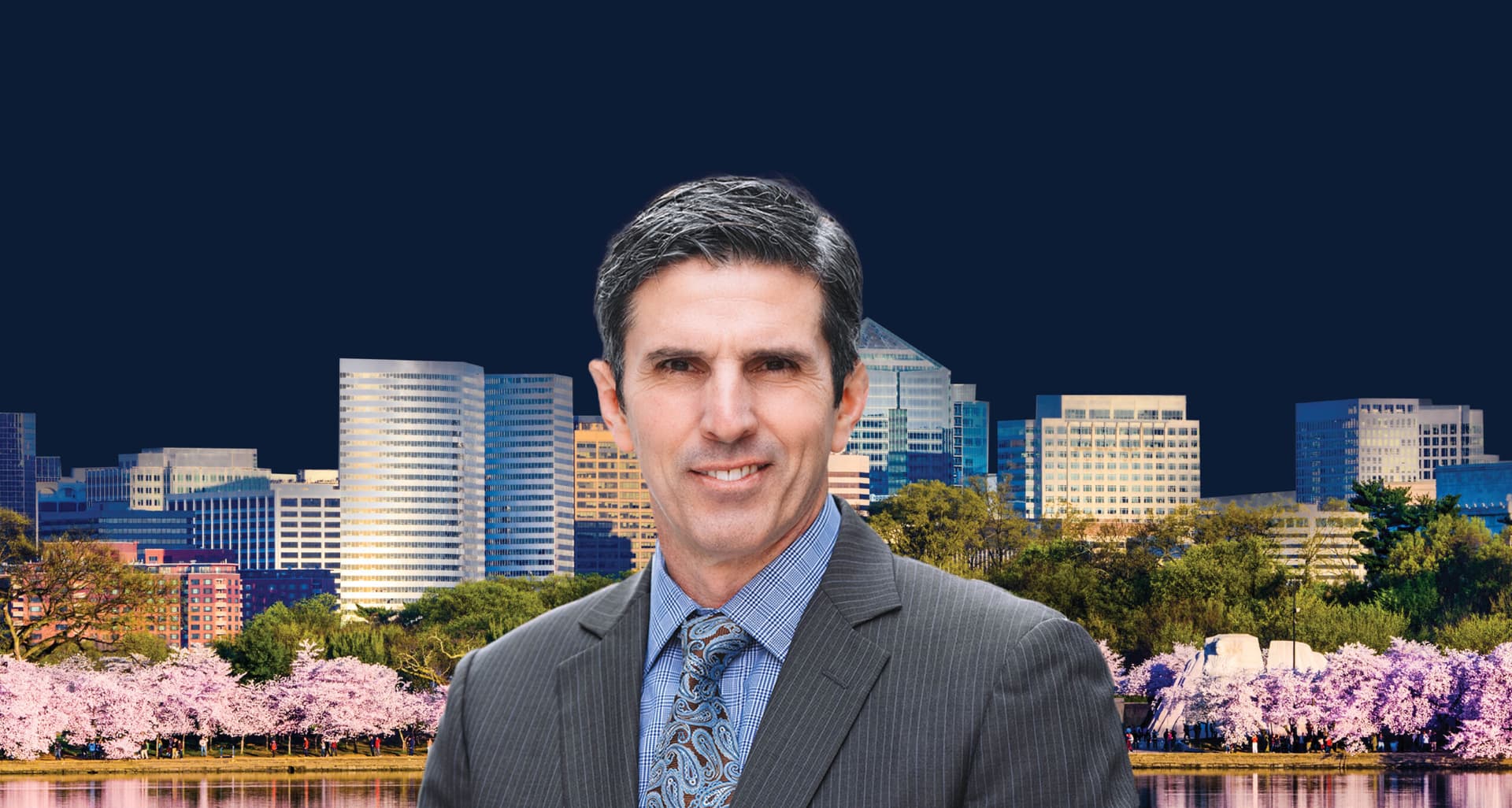
Mid-Atlantic Shopping Center Trends with Ed Laycox
In this episode of The Matthews™ Podcast, host Matthew Wallace continues the Publication Takeover Series with part two of the National Shopping Center Overview to unpack the trends shaping the Mid-Atlantic with Matthews™ Executive Vice President Ed Laycox.
With over 20 years of experience and 200 transactions totaling over $1 Billion, Laycox brings a practical, deal-level view of what’s shaping retail investment decisions right now. He breaks down where capital is moving, how buyer profiles are evolving, and why grocery-anchored centers continue to command outsized attention.
A Career Built in Grocery-Anchored Retail
Laycox’s career has been defined by a deep focus on grocery-anchored and necessity-based retail, particularly in suburban and tertiary markets through the Mid-Atlantic. Early on, he gravitated toward these assets because of their durability and the consistency of consumer demand. Over time, that focus helped him develop a nuanced understanding of how everyday retail performs across different economic cycles.
Rather than chasing headline markets, Laycox spent years building relationships with owners in smaller, less institutional submarkets. That approach allowed him to see firsthand how population growth, income levels, and consumer behavior ultimately drive shopping center performance.
Capital is Following Suburban Growth
Capital is continuing to shift away from urban cores into surrounding suburban and secondary markets. Laycox points to growth across areas surrounding Washington, D.C., as well as markets like Richmond, Charlottesville, Northern Virginia, and parts of Maryland, where higher-income households are increasingly willing to live farther from city centers.
As these areas grow, ownership profiles have changed. What were once predominantly family-owned assets are now attracting larger private equity groups and more institutional-style capital, drawn by population growth and the stability of grocery-anchored retail.
Tenant Demand Is Splitting, Not Weakening
Laycox describes today’s tenant landscape as increasingly divided between necessity-based uses and discretionary or experiential concepts. Grocery, food, and auto-related tenants continue to anchor centers and provide stability, while uses such as fitness, personal services, and entertainment concepts are often able to support higher rents.
At the same time Laycox cautions that not every concept works everywhere. In deeper tertiary markets, there’s often only room for one experimental tenant in a given category. Adding competition too quickly can strain demand and disrupt an otherwise healthy center.
Navigating Choppy Capital Markets
Financing conditions remain uneven, and Laycox does not shy away from describing the last few years as a bumpy period for retail investment sales. Despite that volatility, he emphasizes that capital hasn’t disappeared. Deals are getting done, particularly when transactions are well structured and thoughtfully executed.
He notes that challenging markets often separate active operators and advisors from those who step to the sidelines. Brokers and investors who are willing to stay engaged and problem-solve tend to gain market share when conditions improve.
Laycox adds:
Having the ability to find ways to get deals done is where the real value of brokerage comes into play in these types of markets.
Grocery-Anchored Remains the Leading Thesis
Looking ahead, Laycox is clear that grocery-anchored retail remains one of the strongest investment stories in the Mid-Atlantic and nationally. As the cost of dining out continues to rise, consumers are allocating more spending toward groceries, driving consistent sales growth across many stores.
One emerging issue he flags is the rising cost of insurance. As premiums increase, insurance is likely to become a more significant factor in lease negotiations and NOI discussions as leases roll. Laycox believes this expense pressure is underappreciated and will play a larger role in investment decisions over the next several years.
Understanding the “Solve for X” Mindset
In a market where traditional financing often feels like a barrier, Laycox advocates for a proactive, problem-solving approach to brokerage. “Solving for X” means looking beyond the high interest rates to find the specific structures—whether through creative capital sources or lease restructuring—that make a deal viable for both the buyer and the seller. In 2026, this approach is especially essential as pricing expectations reset and both sides get more flexible on structure.
Key Takeaways for Investors
The Mid-Atlantic opportunity is increasingly defined by where the demand is deepest and how risk is priced. Grocery-anchored centers remain the clearest defensive play, but outcomes hinge on market-by-market execution. The best deals are the ones that match tenant mix to local spending power, account for rising expense pressure like insurance, and use smart structure to bridge the gap between buyer and seller expectations.
What Separates Productive Agents in This Cycle
The most effective agents are leaning into problem-solving, not just pricing. In a market where capital is selective and execution takes more effort, value comes from understanding risk, setting expectations early, and helping both sides navigate structure. Consistency, local market knowledge, and the willingness to stay engaged through uncertainty are what build trust and sustain long-term relationships.