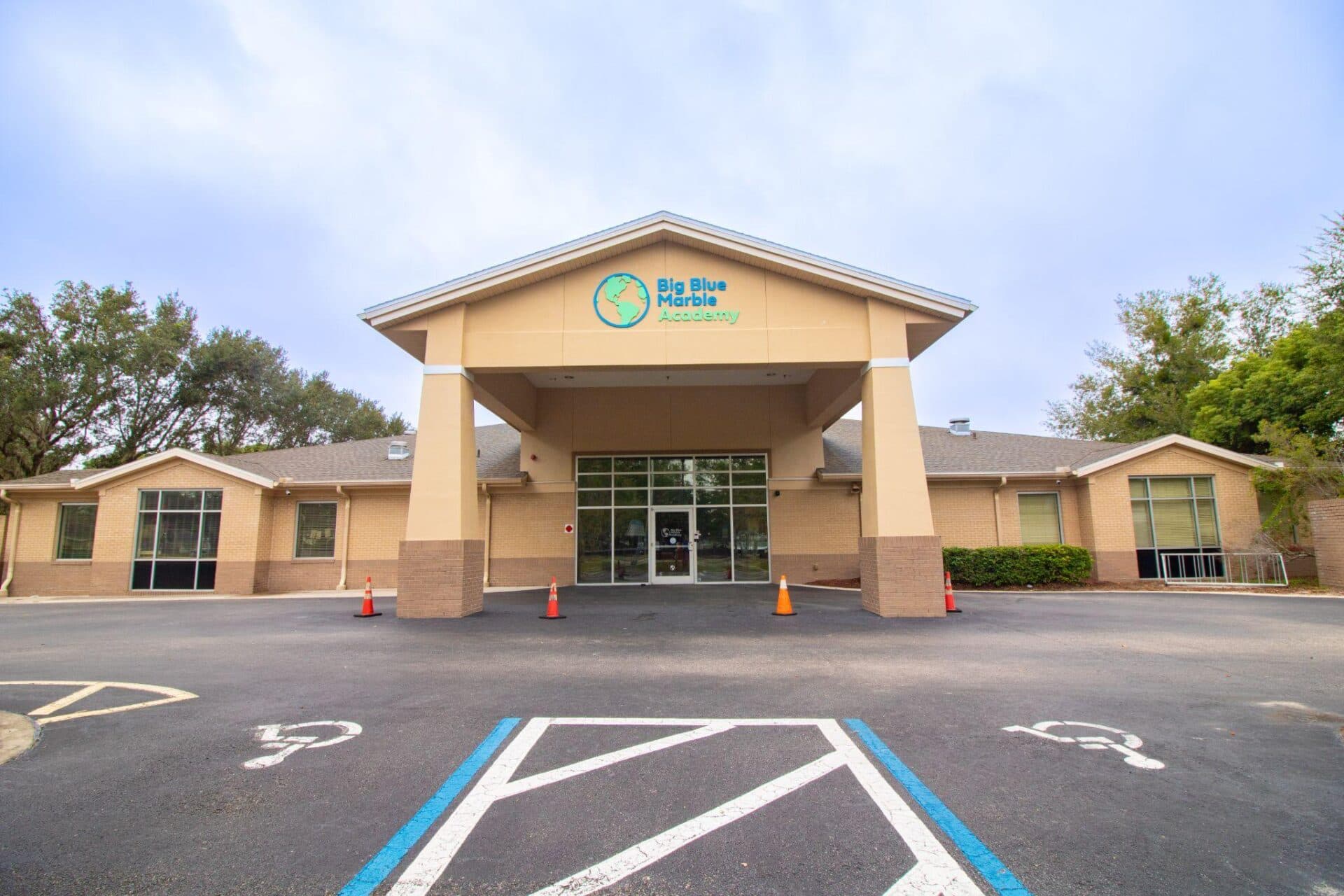
Institutional-Quality Tenant – Big Blue Marble Academy (BBMA) – One of the fastest-growing private early childhood education providers in the United States, BBMA operates over 93 schools across the Southeast. The company delivers nationally accredited programs serving infants through pre-kindergarten, emphasizing high-quality educational outcomes and operational excellence.
Established, Privately Held Operator with Proven Growth Strategy – Founded in 2012 and headquartered in Atlanta, Georgia, BBMA has scaled rapidly through a community-focused model that emphasizes long-term viability and localized success. The company’s disciplined expansion and commitment to educational standards have positioned it as a leader in the fragmented early education sector.
Long-Term Absolute Net Lease with Structured Rent Growth – The asset is encumbered by a ±12+ year absolute net lease, providing investors with passive, predictable cash flow and minimal landlord responsibilities. The lease features contractual annual rent escalations, offering built-in inflation protection and enhancing long-term yield stability.
Located in a High-Growth Orlando Submarket – Situated in Apopka, one of Central Florida’s fastest-growing suburban markets, the property benefits from exceptional demographic and economic tailwinds. Apopka has experienced over 25% population growth since 2010 and continues to attract families due to its proximity to Downtown Orlando, reputable school systems, and expanding residential development.
Strong Demographics Supporting Childcare Demand – The surrounding ±5-mile radius is home to more than 111,076 residents, with average household incomes exceeding $119,270. The area features a high concentration of dual-income households—an essential driver of sustained demand for quality childcare services.
Favorable Industry Fundamentals and Projected Growth – The U.S. childcare industry was valued at approximately $59.87 billion in 2023 and is projected to grow to $73 billion by 2030 (source: Towards Healthcare). Demand is driven by macroeconomic trends including rising workforce participation among parents, heightened awareness of early education benefits.