
Leading AgentConrad Sarreal
First Vice President & DirectorEncino, CA

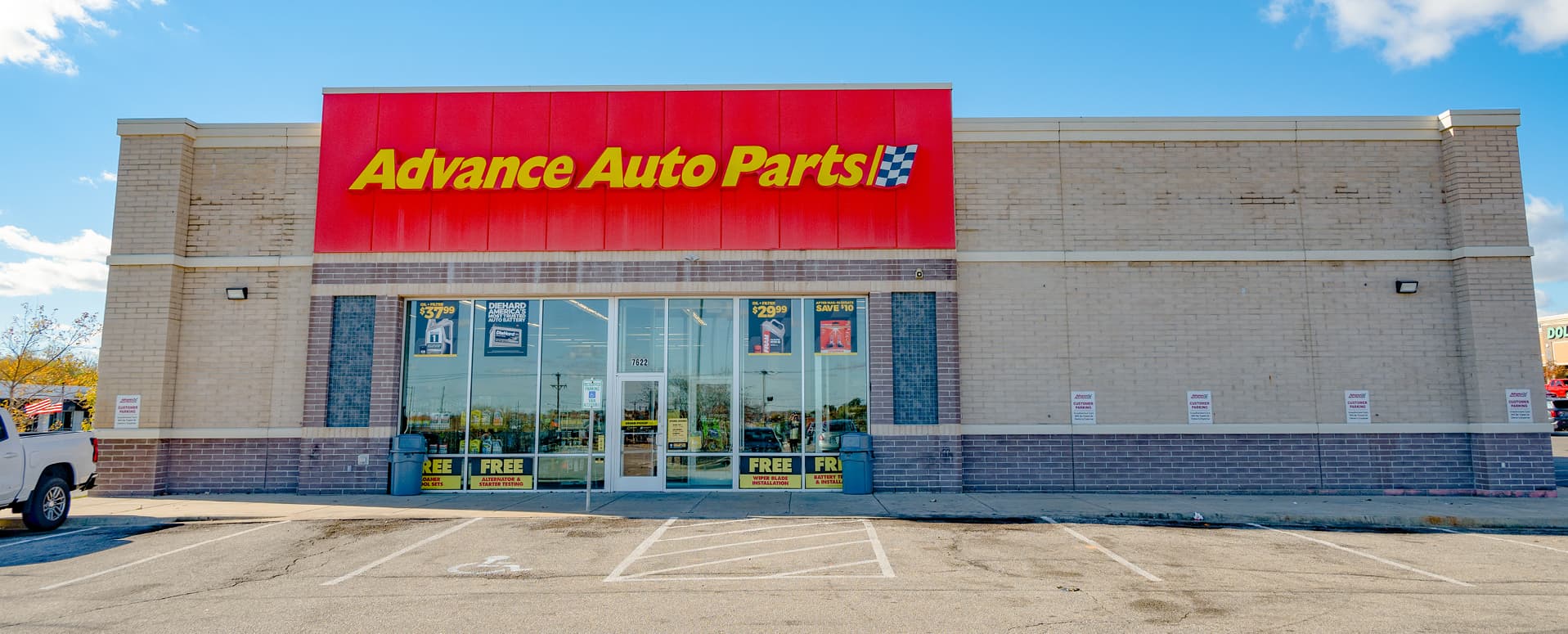
This Advance Auto Parts property in Kansas City, KS, presented a unique investment opportunity for a private capital client engaged in a time-sensitive 1031 exchange, represented by Matthews™. Situated in a prime retail corridor with a strong-performing national tenant, the asset featured a low rent structure, multi-decade operating history, and complete reconstruction in 2013. Through strategic due diligence and proactive problem-solving, the deal successfully closed at $800,000, demonstrating the asset’s enduring value and long-term upside.
Amid a time-sensitive 1031 exchange, a private investor’s purchase of an Advance Auto Parts property encountered two major obstacles that threatened to derail the transaction more than once.
A poorly written insurance clause in the lease capped the tenant’s reimbursement at $1,700. This figure may have been reasonable a decade ago, however it falls short in today’s insurance market. The lease and shopping center development documents failed to highlight who was ultimately responsible for carrying out the policy. As a result, if the shopping center’s REIT landlord, who was currently covering the insurance, decided to discontinue this coverage, the property owner would be left with a significant, non-recoverable expense. This posed a notable risk to NOI and resulted in one of the buyers walking away from the deal.
A non-transferable right of first refusal (ROFR) tied to a long-gone shopping center developer was still active in the governing documents. Although both the original refusal holder and their legal representation were no longer involved, it posed a potential legal risk. One which most buyers would not be comfortable with leaving unresolved.
From the start, Matthews™ agents Conrad Sarreal and Ryan Fitzgibbons knew they had to be transparent yet strategic in how they addressed these challenges. These hurdles could be interpreted in a variety of ways, so controlling the narrative was critical.
For the insurance clause, the agents framed the situation as low risk. The REIT had carried the insurance for nearly a decade and had their own legal representation interpret the documents. Not only did they assume responsibility for insuring the parcel, but they also handled reimbursement directly with Advance Auto Parts, bypassing the property owners altogether.
To handle the ROFR implications, the agents took a similar approach: don’t minimize the issue, rather demonstrate their dedication to leaving no stone left unturned. The agents made every effort to notify the original parties, regardless of how difficult they were to find, to ensure any buyer would be confident moving forward.
To strengthen their case on the insurance issue, Sarreal and Fitzgibbons analyzed the lease language multiple times, comparing it to the development agreement. The agents then contact the REIT’s property management division to gather every supporting document they could:
These documents gave the agents the resources they needed to show prospective buyers that the current setup was deliberate, stable, and legally supported.
As for the ROFR, the agents worked directly with the seller’s attorney to mail the Bonafide Offer(s) to every address included in the development agreement, regardless of whether they were outdated or not. When this strategy seemed unlikely to yield results, the agents dug deeper, using their internal system, public records, ICSC databases, and online research to track down potential principals. The agents left voicemails, sent emails, and followed up to demonstrate to the buyer that they had taken every initiative possible to satisfy the requirement and reduce future liability.
The property was initially listed at $862,000 (6.0% cap rate), an aggressive price compared to the average for similar Advance Auto Part deals, which typically traded around a 7.5% cap for comparable lease agreements. However, the agents felt confident in their pricing, based on these factors:
Despite these strengths, the insurance clause made buyers cautious. The property sat on the market for six months before the agents identified the right buyer, an investor focused on net lease assets under $1.5M in primary markets. He recognized the long-term upside in the below-market rent, especially for a newly-developed asset, along with the upcoming 20% rent increases during the option periods—far above standard escalation clauses.
The buyer initially presented a below-list offer of $750,000 but backed it with a $200,000 non-refundable deposit and a 30-day close signaling serious intent. The agents were able to negotiate the buyer’s offer up to $800,000. Given the substantial non-refundable deposit and the fact that the agents shared a comparative due diligence folder during LOI negotiations, the seller recognized the deal’s strong execution potential and accepted it.
The agents presented their transparency from the start. By providing clarity on the insurance and ROFR issues and proactively delivering due diligence materials, the agents were able to collaborate with the buyer and guide him to the same conclusion they had intended: the long-term value far outweighed the perceived risk.
The client remained patient and trusting throughout the process. The agents achieved a successful close on a deal that could have easily fallen apart without their careful navigation, persistence, and clear communication.
Had the lease been more straightforward, this deal could have closed in 30-60 days. This was the kind of transaction that defines great brokerage by testing the agents’ problem-solving, persistence, and communication skills. By taking full ownership of the complexity, doing the heavy lifting, and shaping the narrative from start to finish, the agents helped their client navigate uncertainty and close successfully under challenging circumstances.
After a long career in retail and managing our family’s home furnishings business, I found myself handling the sale of a complex commercial property—something well outside my wheelhouse. I’m used to calling the shots, so I know I wasn’t the easiest client. The property was solid, but burdened with a challenging lease, and the transaction came with more than its share of complications.
You navigated every obstacle—two contracts, tough negotiations, and multiple parties including tenants and shopping center reps—with professionalism, patience, and skill. You stayed steady through it all and even put your own interests aside to help get the deal closed.
At one point, you reminded me of a sales manager I once hired who taught me a valuable lesson: trust the experts you’ve chosen. I forgot that at first— but you handled the situation, and me, with grace.
I’m grateful I chose you for this, and I’d gladly recommend you to any owner or investor facing a difficult sale.

Ryan Fitzgibbons
Associate