
Why New Medical Office Development is Keeping Rents High
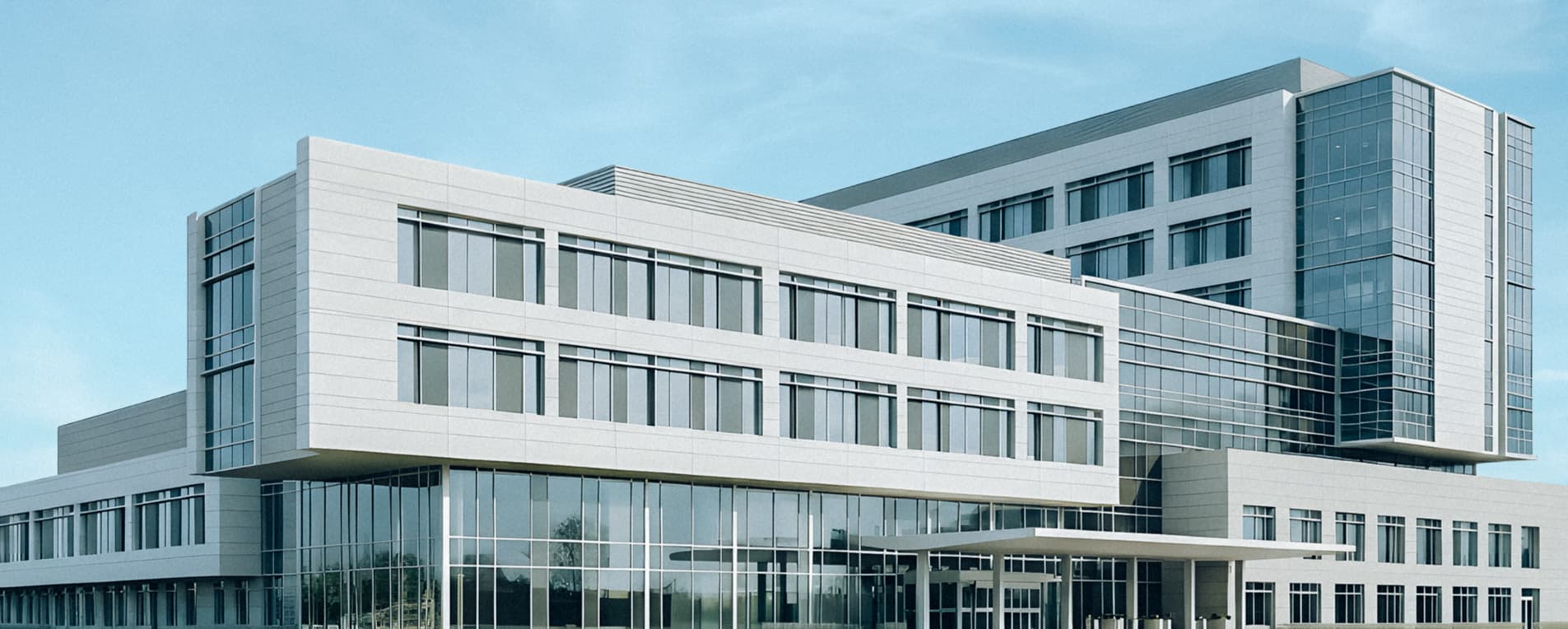
A common trend that occurred across the healthcare and medical real estate space over the past six years was the rise of market rents, with most markets experiencing 20%+ growth in asking rents compared to pre-COVID-19 levels. As the cost to build specialized medical space has continued to rise, a meaningful rent gap has emerged between new developments and pre-COVID construction.
For developers, investors, and surgery center operators, understanding the drivers behind this gap is critical to navigating today’s market.
The Ongoing Rent Gap in Medical Real Estate
The cost of delivering new medical office space has reached unprecedented levels. Facilities designed for complex outpatient care, ambulatory surgery, and advanced imaging require specialized HVAC, plumbing, and electrical systems well beyond those of traditional office buildings.
In addition, higher structural requirements, stricter life-safety standards, extensive regulatory approvals, longer permitting timelines, and rising labor and material costs have pushed total project costs materially higher. Highly-specialized, tenant-specific buildouts further limit flexibility, making new medical construction increasingly difficult to pencil at legacy rental rates.
Across the healthcare sector, total development costs for medical office buildings now commonly range from $400 to $500 per square foot, with some buildouts north of $1,000 per square foot. To justify these costs, developers must price rents at a premium, creating a clear gap between new and older construction market rents.
How Cap Rates Impact Asking Rents
With construction costs elevated across the board, developers are forced to pass these higher costs on to tenants. To create value, projects are underwritten to a stabilized build yield roughly 200 basis points higher than the expected exit cap rate, with that spread representing the developer’s profit.
Medical office buildings continue to trade at attractive cap rates—generally in the 6% to 7% range. To achieve these exit yields on a materially higher cost basis, developers must generate greater NOI, which is accomplished by pricing rents higher at delivery. As a result, new construction is delivered at a significant rent premium relative to older second- or third-generation medical properties that were built at much lower costs.
New Construction Compared to Existing Spaces
The gap between new and older medical offices is growing. Throughout 2025, the rent premium for new construction outpaced the general market. Specifically for new medical offices, the rent per square foot rose from around $26 to $35 over seven years, which is around a 30% increase. During the same timeframe, existing medical office rents increased from $22 to $25, approximately a 15% rise.
With national medical office vacancy around 6%, the lack of affordable supply means that rent momentum will stay robust across the sector, even as new builds push the rate higher.
Construction and Financing Headwinds
New medical office buildings haven’t moderated their rent demand because ground-up construction has fundamentally changed. Developers are navigating sustained cost pressures that make delivering a project at traditional price levels increasingly difficult. While specialized materials—such as advanced HVAC systems, medical-grade electrical systems, and complex MEP infrastructure—are essential to clinical functionality, their prices have remained elevated even as some broad material indices have stabilized. Persistently tight supply chains, higher wages for skilled labor, and strong demand for healthcare construction keep input costs well above pre-pandemic norms.
Beyond the baseline cost of materials and labor, recent tariff policies have added another layer of expenses. Broad tariffs on imported construction inputs, such as steel, aluminum, and other key components, have lifted the landed cost of materials and driven contractors to raise prices to offset those duties. Industry analysis suggests that these trade measures may increase construction material costs by roughly 9% compared to 2024 levels, and overall project costs by a few percentage points as tariff impacts pass through the supply chain.
At the same time, the healthcare construction labor pool remains small and competitive, with shortages of experienced tradespeople pushing wage rates higher. The combination of elevated skill costs and immigration-related workforce constraints further limits downward pressure on overall build pricing.
Compounding these headwinds, the cost of capital has also created challenges. Elevated interest rates have increased the price of construction loans and overall financing, prompting lenders to tighten underwriting criteria and often require stricter pre-leasing commitments before financing is approved. This adds both time and cost to the development cycle.
When developers are spending around $500 per square foot, or more in high-complexity markets, to make their buildings operational, rents must be set above existing market averages to cover essential costs and achieve a viable return on investment.
Advantage for Existing Surgery Centers and Medical Offices
This bifurcation in the market has created a clear advantage for owners of existing medical properties—particularly those housing licensed surgery centers or high-acuity outpatient clinics. Buildings delivered prior to the recent surge in construction and financing costs can offer rents meaningfully below those required for new construction. This pricing flexibility allows landlords to retain tenants without pushing rents to replacement-cost levels, giving them significantly greater control in lease negotiations and renewals.
This advantage is even more pronounced in states governed by Certificate of Need laws. In these markets, licensed surgery centers and regulated medical practices function as protected assets.
The time, cost, and uncertainty associated with obtaining new licenses severely limit new supply, making existing facilities scarce and highly valuable. For investors, these regulatory barriers reduce competitive risk and support long-term occupancy, as new entrants cannot easily replicate or replace these locations.
Medical facilities also benefit from strong tenant stickiness due to the capital intensity required to operate. Providers routinely invest millions into interior buildouts, specialized equipment, and licensing tied to a specific address, making relocation both costly and disruptive. As a result, medical tenants demonstrate materially higher renewal rates than traditional office users, with approximately 85% of medical office leases renewing as operators often choose to reinvest in their existing footprint rather than relocate.
For property owners, these dynamics translate into durable, lower-risk income streams. Landlords can focus on targeted capital improvements to maintain a high-quality, Class A experience without needing to match the elevated rental rates required by new construction. As a result, established medical assets remain well-positioned to capture steady demand driven by an aging population, while staying insulated from the construction cost inflation and financing volatility impacting ground-up development today.
New Construction Rents Increase, While Existing Structures Retain Value
Rising rents tied to new development have split the market into two tiers: newly-built medical facilities with significantly higher rental rates needed to offset construction and financing costs, and established medical properties offering lower, more sustainable rents. This shift has strengthened demand for existing medical offices, as many providers find the cost of relocating to new construction increasingly difficult to justify.
For investors and owners, this split in the market highlights a strategic value play in older structures. While new builds are seeking $35 per square foot rents to meet their exit cap rate targets, existing properties can maintain healthy margins at $25 to $28 per square foot. This price advantage makes established buildings highly resilient. Tenants in these buildings are less likely to be taken by new developments because the rental increase and the required capital for a moveout are too high.
Existing medical real estate often contains locked-in value that is expensive to replicate. For example, an older surgery center already has the reinforced flooring, specialized plumbing, and HVAC systems required by health codes. Recreating this in a new building would require a large tenant improvement allowance. As existing owners have already amortized these costs, they can offer different opportunities for medical groups looking to expand without the delay of ground-up construction.
Investing in stabilized, existing medical real estate offers a level of predictability that is not seen in new development. Owners of established assets aren’t as sensitive to the volatility of material costs affecting the construction sector in 2026. Instead, they benefit from a high national renewal rate that ensures consistent cash flow. With these economic factors in place, those who own existing spaces where patients are already accustomed to receiving care are set to thrive.
Key Takeaways
The rise in new construction costs has strengthened the value of existing medical real estate, creating a barrier against new competition. While incoming developments push the limits of what tenants can pay, established owners are in a convenient spot as they offer the necessary infrastructure without having to adjust to the high cost environment.
For investors, focusing on the acquisition and renovation of stabilized medical assets offers a path to predictable returns with significantly lower capital expenditure risk.