
National Housing Permits Slowdown Sets the Stage for Southern California Growth
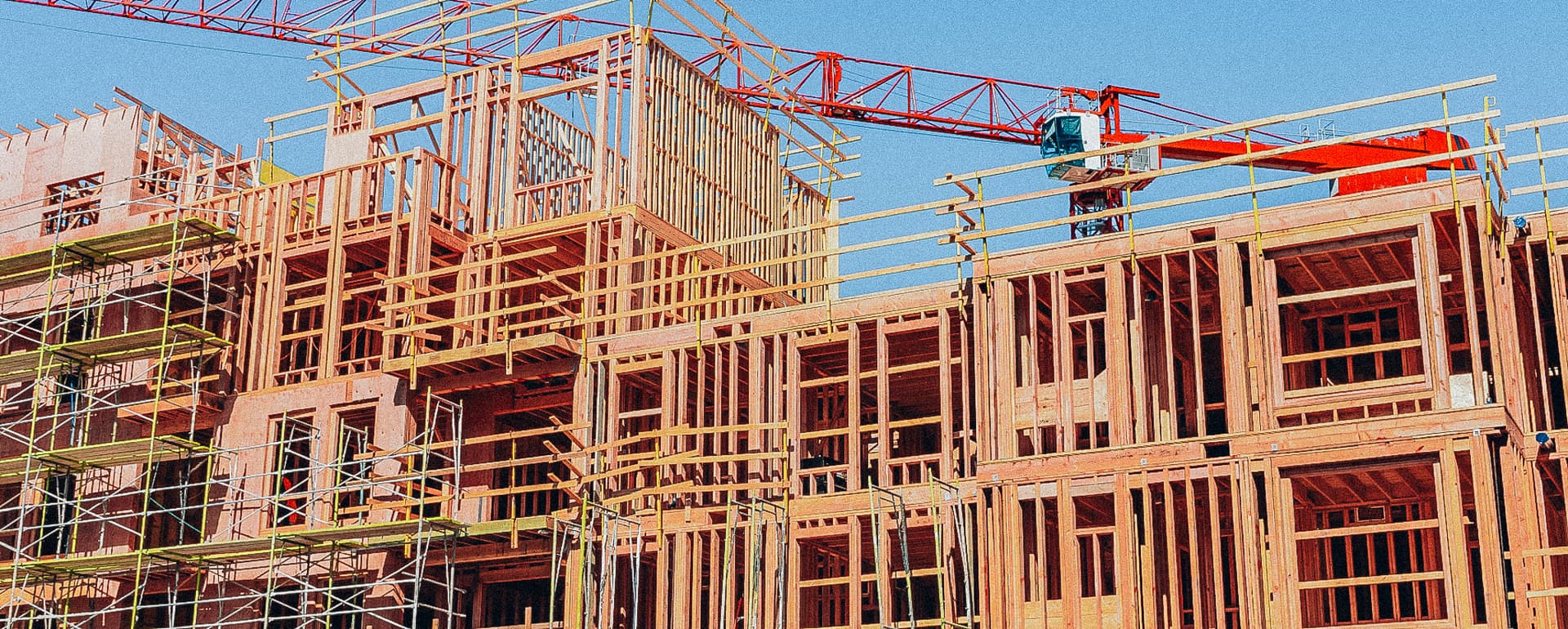
Across the U.S., new housing construction is slowing. Rising mortgage rates and elevated inventories have created a market imbalance that’s forcing national homebuilders to scale back new projects. Nationally, the supply of new homes has reached a 9.2-month inventory, meaning there are 9 new houses for sale for every new home sold, far above the historic 6-month norm – a clear signal that many builders are hitting pause. For every new home sold, nine others sit unsold, and new permitting activity has fallen sharply. In most markets, that signals a cooling cycle.
How Southern California is Fundamentally Different
Unlike many regions that overbuilt during the lowrate years, Southern California never came close to meeting its housing demand. Even as construction declines nationally, the region faces the opposite problem – a structural housing shortage that continues to deepen. While the national unsold inventory index stands at 9.2, Southern California’s reading of 3.9 highlights just how tight the region’s for-sale housing market remains compared to the rest of the country.
By all measures, Southern California is the primary metro driving the national housing shortage. At the county level, Los Angeles County faces a deficit approaching 800,000 units, the largest in the nation. Orange County and San Diego County each show shortages near 200,000 units, and along with Los Angeles County, they represent three of the five largest housing shortages in the nation.
Permitting trends further highlight how underbuilt the region remains: through the first eight months of 2025, Inland Empire single-family permits fell 17% year-over-year, while Los Angeles, Orange County, and San Diego metros held flat at historically low levels. Even with roughly 18,500 new single-family permits issued in 2025 across these counties, the f igure remains far below what’s needed to offset the nearly 1-million-unit regional housing deficit, particularly given the number of homes lost in the wildfires earlier this year.
The imbalance represents a powerful tailwind
While national headlines focus on declining permits and slowing sales, the Southern California slowdown simply compounds an existing shortage – creating long-term opportunity for those positioned to deliver new housing. With limited new supply entering the pipeline, vacancy rates across the region’s rental markets are expected to compress, pushing rents and asset values higher. The combination of persistent demand, limited construction, and constrained land supply will continue to favor developers that build through the noise. In short, the national slowdown is temporary. Southern California’s shortage is structural. And for those still building, that distinction matters.