
Unlocking Value in Shallow-Bay Industrial: The 2025 Update
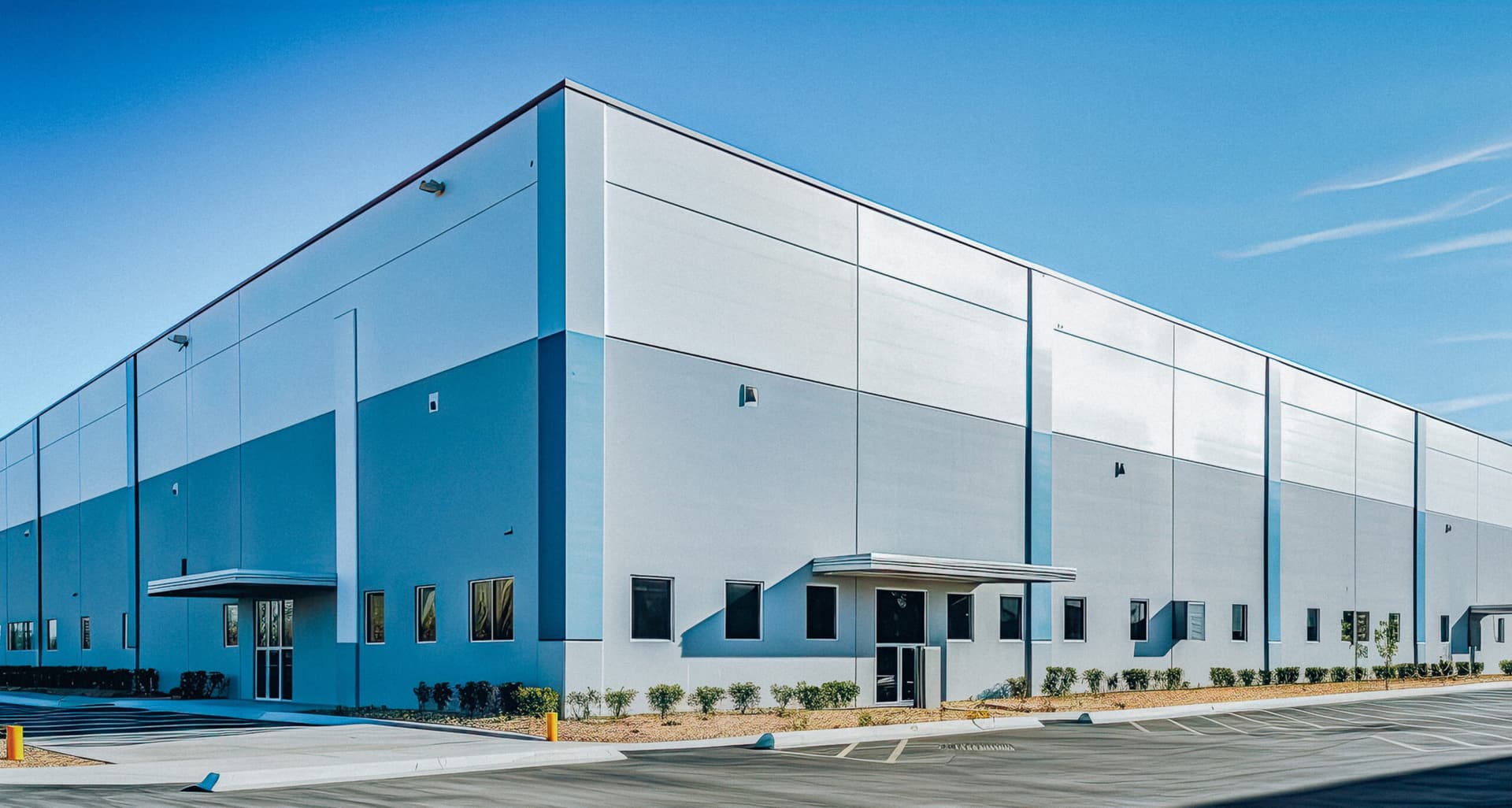
Shallow-bay or small-bay multi-tenant industrial properties remain one of the most sought-after sub classes of industrial real estate. These assets are typically under 100,000 square feet and consistently post lower vacancies and stronger rent growth than bulk warehouses. Since 2020, rents for bays under 50,000 square feet have climbed around 40 percent nationwide, with many Southeastern markets leading the trend.
Investor Appetite: Why Buyers Stay Aggressive
The strong fundamentals for shallow-bay industrial alone do not guarantee premium pricing that some owners have seen. What determines value is how income is structured, capital risk is managed, and tenant mix and functionality present to buyers at the time of sale.
Even in today’s debt environment, buyers of shallow-bay multi-tenant properties remain persistent and are often willing to accept lower going-in returns. Buyers recognize they can raise rents, clean up expense recovery, and make targeted improvements that lift income within the first one to two years of ownership. For these reasons, many shallow-bay investors place less emphasis on their initial cap rate and more on their future yield.
A going-in cap rate as low as four percent may still be attractive if investors are confident their business plan will increase returns in the first one-three years of ownership.
How Tenant’s Think: The All-In Monthly Cost
Owners tend to think about rent rolls in terms of base rent and recovery structures. Tenants, by contrast, think about their rent in terms of one predictable monthly bill. That bill includes rent, common area maintenance, taxes, insurance, utilities, trash, water, and any other recurring cost.
Most small-bay tenants budget like households, focusing on the all-in number. They do not spend much time distinguishing whether a lease is written as triple-net, modified gross, or gross. What matters to them is predictability. If costs are clearly communicated and billed consistently, tenants are comfortable. If leases are unclear or costs fluctuate, tenants become dissatisfied, renewals become less likely, and retention suffers.
For owners, the implication is clear. A property where every tenant consistently pays their full share of expenses not only runs smoother, but it also trades at a higher price/square foot because buyers and lenders see predictable cash flow that can be transferred to the next owner without disruption.
Tenants focus on predictable all-in costs, not lease type.
Protecting Cash Flow Through CAM
CAM language is one of the most critical features in shallow-bay underwriting. Investors and lenders want confidence that landlords are not absorbing expenses that tenants should be covering, and that expenses are structured to be reimbursed fairly.
Strong leases include amortization provisions for roofing, paving, and HVAC to ensure costs are spread across their useful lives rather than hitting NOI in one lump sum. They include caps on controllable expenses, usually around five percent annually, while leaving taxes, insurance, and utilities uncapped and fully recoverable. They also use cumulative caps so that if expenses rise less than the cap in one year, the difference rolls forward to the next.
Buyers pay close attention to CAM diction across the rent roll. If leases are inconsistent, vague, or allow tenants to avoid costs, they assume leakage and reduce their pricing accordingly. As buyers will most likely underwrite to the worst case scenario if the lease is vague on reimbursements.
Lease Structures That Drive Value
In shallow-bay industrial, lease structure is just as important as your rental amounts. Buyers consistently prefer shorter lease terms, typically five years or less, with annual rent increases of three percent or more. These shorter commitments provide tenants with flexibility but also allow landlords to reset rents frequently to market levels, which is especially important in a rising rental environment in specific submarkets.
Owners should be cautious about granting fixed renewal options at pre-set rents. These can decrease properties value because because they lock tenants into below-market rates, limiting future upside. For owners preparing to sell, it is often better to allow tenants to continue month-to-month rather than sign a multi-year lease that caps growth. This is particularly true for smaller bays where re-leasing velocity is high and turnover risk is more manageable then big box.
Another element buyers scrutinize is the distribution of expirations. Rent rolls with many leases expiring in the same year are considered risky. Properties where maturities are staggered show deliberate management, reduce risk, and are rewarded with stronger pricing.
Improvements That Move the Needle
The physical condition of a shallow-bay asset carries as much weight as the lease structures. Buyers immediately discount for deferred maintenance, and tenants are less willing to accept rent increases if they do not see improvements. That said, not every improvement delivers a direct return, and owners must be thoughtful about what to invest in before a sale.
Roofs are one of the most scrutinized item. A new or certified roof can remove one of the largest underwriting risks, but the cost may not always translate into a full return in valuation. In some cases, it makes more sense to sell “as is” and let buyers underwrite the replacement rather than spend capital unnecessarily. For this reason, obtaining an accurate valuation from an industrial broker before committing to major projects is critical.
Regarding the visual presentation, parking and paving are highly visible, and resurfaced lots with fresh striping present well to both tenants and buyers. Neglected pavement suggests deferred maintenance and reduces value. Separately metered utilities are another key driver. Shared meters create disputes and potential leakage, while individual meters simplify billing and protect NOI. This also goes into account when a buyer tours a site with poor parking and paving, they would assume the tenants don’t care which ultimately goes into the account that the tenants sometimes won’t care about taking care of their own suite. This can equate to hidden costs at move out.
Office build-out is another area where balance matters. Both tenants and buyers prefer 20 percent or less of total space dedicated to office use. Too much office reduces flexibility and slows re-leasing. From the tenant perspective, functionality drives retention. For bays under 10,000 square feet, grade-level drive-in doors are preferred over dock-high loading. Adequate parking is essential for service companies, and presentation matters. Fresh paint, updated signage, and proper lighting are relatively The Debt Side: Why Financing Matters modest investments that reduce turnover and make the property show well during buyer tours. While there might be suites that have built out office spaces, it might be better to white-box the suite and pull back the office space to make it more presentable on the leasing front and ultimately attract more buyers.
Small, Visible Fixes Often Deliver the Highest ROI
- Fresh paving
- Separated meters
- <20% office buildout
Tenant Mix: Who Adds Value and Who Hurts It
Tenant mix is another overlooked driver of valuation. Buyers not only analyze rental rates, but they also assess the quality and diversity of the tenants. Preferred tenants include service contractors, light manufacturers, distributors, and e-commerce users. These tenants are operationally dependent on their space, tend to renew, and tend to pay market rents.
By contrast, auto repair, tire shops, and collision centers are viewed more cautiously. They consume excessive parking, may present environmental concerns, and often create re-leasing difficulties. Even if they pay rent on time, a rent roll dominated by auto tenants usually trades at a discount.
Tenant mix is also market specific. A property in Alpharetta will attract a different pool of tenants than one in Conyers, but the principle is the same. Balanced rent rolls, without users that dominate parking or create nuisances, present much better to buyers. When investors tour, presentation matters. A property filled with service contractors and clean, functional users will always perform better than one with tenants that overwhelm parking lots or create visible headaches.
A Balanced, Functional Tenant Mix Supports Stronger Pricing
- Value-Add Tenants: Service contractors, distributors, e-commerce, light manufacturing
- Riskier Tenants: Auto repair, tire shops, collision centers
The Debt Side: Why Financing Matters
In today’s market, lenders are quicker to scrutinize deals. For a buyer to qualify for favorable terms, a property must show a lender a clear path for stabilized NOI in the first few years of ownership.
This makes lease structure and expense recovery critical. Lenders want clean NNN or equivalent leases where tenants cover all expenses. They want reimbursement provisions that stabilize quickly, ideally after the first year of ownership. Lenders want amortization and reserves in place to ensure that capital projects do not suddenly reduce income.
A property with poorly structured modified gross leases may only qualify for 55% leverage at a 7% interest rate. The same property with tight NNN structures and consistent expense recovery might qualify for 65% LTV at a 6.75% rate. Over a hold period, that difference in financing can translate into millions in buyer returns, which is why well-structured properties consistently achieve premium pricing.
Why This Matters for Owners
For owners, every detail matters. Buyers are not simply paying for occupancy and today’s revenue, they are paying for the stability and transferability of income.
If you are considering a sale in the next few months, strategy around leases is especially important. In some cases, it may be better to allow tenants to roll month-to-month than to lock them into a three-to-five-year lease that suppresses rent growth. For smaller bays, this flexibility is often attractive to buyers who prefer the ability to reset rents quickly. For larger spaces, renewal may make more sense, but the guiding principle is the same: avoid lease structures that limit future income potential.
Tenant mix must also be considered carefully. The right profile varies by market, but investors universally prefer balanced rent rolls without users that dominate parking or make a poor impression when they tour. Regardless of the market, buyers pay more for rent rolls filled with functional, stable users than for those f illed with challenging tenants.
Physical improvements should be approached strategically. A roof replacement, fresh paving, or capital-intensive project may or may not return its full cost at sale. In some cases, disclosure and pricing adjustments are more efficient. Accurate valuations are essential before committing to large capital expenditures. Smaller improvements such as parking lot striping, exterior paint, or new signage often provide the most visible return relative to cost.
Conclusion
The shallow-bay industrial market is thriving, but buyers are more disciplined as they were compared to previous years, especially after seeing how their current and past sites have performed. Properties with unrecovered expenses, deferred maintenance, auto-heavy tenant mixes, or restrictive lease structures are trading at discounts on the price/sf. Properties with clean CAM provisions, short leases with three percent annual increases, staggered expirations, efficient layouts with less than 20 percent office, and balanced tenant mixes are still selling at a strong price/sf.
If you are considering a sale in the next twelve to twenty-four months, now is the time to evaluate your leases, tenants, and capex plans. Sometimes the right move is to renew tenants at market with annual escalations. Sometimes it is accretive to let leases roll to month-to-month. Other times it makes sense to invest in improvements, and sometimes it is better to sell as is. The right approach depends on the tenant base, the market, and the timing.
Preparation and positioning are what drive premium outcomes, and the decisions you make now will determine whether you sell at average pricing or achieve the premium buyers are willing to pay. For owners it’s always better to be proactive on their properties than reactive.